October 15, 2026
A vegetable garden begins with more than a collection of young plants. The available sunlight, growing space, season, and household's food preferences all influence which vegetables belong in the plan. Nursery plants offer a visible starting point because they have already passed through germination and early growth. Their labels and condition also provide information that can help connect plant choices with the garden's needs.
For a first garden, advice from local nurseries can make those decisions easier to understand. The goal is a planting plan suited to the space and the attention it can receive, rather than a large assortment of vegetables with unrelated requirements. Understanding what each plant needs before it reaches the garden gives the project a more coherent beginning.
A Garden That Fits the Household
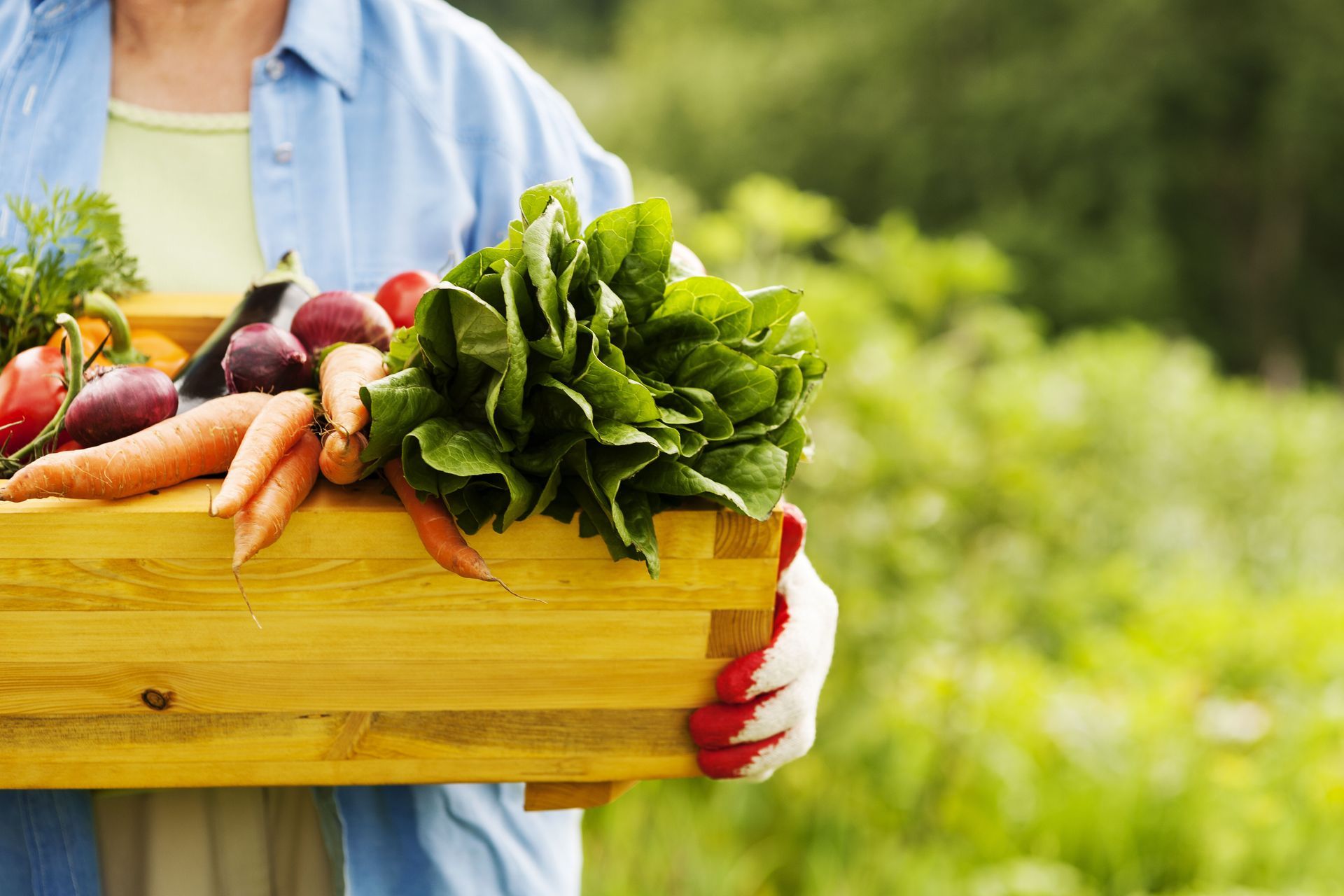
The most useful vegetable garden reflects the foods a household regularly enjoys. Lettuce for salads and tomatoes for everyday meals may have more practical value than an unfamiliar crop selected only for its appearance. Preferences also affect the desired harvest: some households want occasional additions to meals, while others hope for a steady supply of a few favorites. A clear purpose helps keep the garden's size and plant selection realistic.
Food gardening is already part of many households' routines. According to Cooped Up Life, 35% of families in the United States produce vegetables, fruit, or other food at home. A garden can supplement familiar meals without supplying every ingredient or occupying most of the yard. Conversations at local nurseries can connect those food preferences with suitable vegetable starts and a manageable layout. A focused selection gives each crop a reason to be there.
A Site Matched to the Plants
A garden's position affects what its plants can accomplish. Sunlight changes across the day, and a location that appears bright in the morning may fall into shade later. Nearby buildings, fences, and trees also influence exposure, sometimes differently as the seasons progress. Those conditions deserve attention before plant selection, since a vegetable's light requirements cannot be judged from the appearance of the nursery pot.
Tomatoes generally need stronger sun exposure than leafy crops such as lettuce, although suitable conditions still depend on the variety and site. Staff at local nurseries can help interpret plant labels and relate those needs to the available space. Garden planning also accounts for access around the plants, their mature spread, and the position of a water source. A convenient location supports regular care, while adequate room allows the garden to develop without blocking surrounding paths or squeezing plants into unsuitable spaces.
Vegetable Choices Suited to the Season
Young plants on a nursery bench may look equally ready for the garden, but different crops respond differently to outdoor conditions. Lettuce commonly suits cooler growing periods, while tomatoes depend on warmer conditions for steady growth. A mild afternoon does not necessarily mean that nighttime temperatures or the soil are appropriate for every vegetable. Seasonal suitability matters even when a plant already has several healthy leaves.
The variety name adds another layer to the decision. Plants within the same vegetable group can differ in mature size, growth habit, and expected harvest timing, so a familiar crop name is only the beginning of the selection process. Availability at local nurseries provides a chance to discuss those differences before the garden plan is finalized. Matching the crop and variety to the growing period helps avoid a collection whose members need conflicting conditions. It also makes the anticipated harvest easier to relate to the household's plans.
Healthy Starts With Room to Develop
Nursery plants provide an opportunity to evaluate visible growth before purchase. A sturdy stem and healthy-looking foliage can be useful signs, while wilting, unusual discoloration, or visible damage deserve closer attention. Size alone is a poor measure of readiness; a tall plant may be stretched or outgrowing its container rather than better prepared for the garden. Plant condition matters more than the impression that a larger specimen promises an earlier harvest.
Root development is part of that assessment, and nursery staff can help identify plants that have become crowded in their pots. The plant's label is equally important because it connects the specimen with its variety and growing requirements. Clear identification helps distinguish compact choices from plants that will need substantially more room as they mature. A healthy start suited to the intended location provides a sounder basis for planning than a purchase driven by height or an appealing display.
Soil That Supports the Garden's Purpose
The roots of a nursery plant eventually depend on conditions beyond its original pot. Garden soil needs to provide moisture, air, and room for growth, making drainage and soil structure important parts of the plan. A location that remains saturated after rainfall presents different challenges from one that dries rapidly. Soil decisions therefore belong alongside plant selection rather than being treated as an unrelated supply purchase.
Consultations with local nurseries can help connect the planting area with appropriate soil, compost, or other available materials. Compost can contribute organic matter, but its suitability and quantity depend on the existing soil and the intended use. Container growing requires a medium suited to that setting, where drainage and root space differ from an open garden bed. Advice tailored to the planting arrangement helps distinguish those needs without assuming that every bagged soil product serves the same purpose.
A Thoughtful Transition Into Outdoor Conditions
Plants raised under sheltered conditions may need time to adjust to stronger sunlight, wind, and changing temperatures. That transition is often called hardening off, and it influences how well young plants cope with the move to their intended growing location. Nursery plants differ in how much outdoor exposure they have already received. Their readiness therefore depends on their growing history as well as their visible condition.
Before the planting date is settled, staff at local nurseries can explain whether selected starts are already acclimated and what further preparation they need. Planting depth, spacing, and root handling also vary by crop, making guidance for the particular vegetable more useful than a single rule applied to every plant. Those conversations help connect the nursery stage with the garden stage. They also allow the plan to account for weather conditions rather than treating the purchase date as an automatic planting deadline.
A Care Plan Beyond the First Day
Starting with nursery plants does not remove the need for ongoing attention. Water requirements change with weather, plant growth, and the planting arrangement, while a container may dry differently from a garden bed. Nutrition and available root space also influence how the plants develop. A realistic care plan considers those needs before the garden expands beyond the attention it can receive.
Guidance from local nurseries can clarify the selected vegetables' requirements and help address questions as growth progresses.
Changes in foliage or vigor may have several causes, so advice based on the plant and its conditions is more useful than an immediate assumption about the problem. The expected harvest also deserves discussion because varieties differ in how and when they produce. Understanding those patterns gives the household a more practical picture of the season and helps shape future plant choices.
A vegetable garden has a stronger beginning when its plants fit the space, season, and household that will enjoy the harvest. The first plan can remain modest while providing a useful foundation for future growing seasons. At Orchard's Nursery, we offer vegetable plants, soil supplies, and garden-planning consultations to help connect plant choices with growing conditions. Contact us to discuss suitable starts and the needs of your garden.