April 13, 2026
Explore the many reasons why local nurseries are often superior choices for obtaining healthier, more sustainable plants compared to large commercial retailers.
1. Local Climate Compatibility
a. Adapted to Regional Weather Conditions
Local nurseries offer plants that have already adapted to the specific climate conditions of the area. These plants are more likely to thrive after transplantation, thereby reducing the shock they experience when moved. According to Bob Vila, an online home improvement resource, plants are associated with hardiness zones, numbered one through 13, which is a guideline on how well they withstand different climates. Nurseries ensure the plants they carry can withstand the climate they are in. By being accustomed to local weather patterns, these plants demonstrate greater resilience and require less intervention to succeed. They can swiftly recover from seasonal changes, ensuring a healthier growth trajectory over time. This native adaptation is invaluable for gardeners who desire robust, flourishing plants with minimal maintenance.
b. Suitable for Local Soil Types
Local nurseries carefully select plant species that are well-adapted to regional soil compositions. This compatibility is crucial, as soil type greatly influences root health and nutrient uptake. When plants are suited to the native soil, they establish faster and grow more vigorously, displaying lusher foliage and better flowering capabilities. This soil compatibility also enables gardeners to minimize the need for soil amendments, which can be both costly and labor-intensive. Consequently, the health and sustainability of landscapes are improved, benefiting both the gardener and the environment.
c. Native and Non-Native Plant Options
Local nurseries provide a diverse range of plant options, including native and well-adapted non-native species. Native plants are essential for fostering ecological balance, as they support local wildlife and pollinators. Non-native species, when well-chosen, can offer aesthetic and functional benefits without disrupting the local ecosystem. By offering a balance of plant types, nurseries can enhance landscape resilience and biodiversity. This diverse selection ensures that gardeners have access to plants that not only thrive but also contribute positively to the environment.
d. Resistance to Local Pests
One of the significant advantages of purchasing plants from a local nursery is their natural resistance to regional pests. Plants that are grown and nurtured in the same environment develop defenses against local threats. This resistance reduces the need for chemical pesticides, making the gardening process more sustainable and environmentally friendly. A plant adapted to local pests can allocate more energy to growth and development rather than defense, resulting in a healthier plant overall. Additionally, understanding local pest dynamics allows nursery professionals to employ preventative measures, further ensuring plant health.
e. Tailored Planting Advice
Nursery staff possess extensive knowledge of local conditions and offer tailored advice to help gardeners achieve optimal results. This personalized guidance can encompass plant selection, planting techniques, and care instructions aligned with regional climate, soil, and pest factors. Knowing when and how to plant specific species can dramatically enhance growth potential and longevity. Furthermore, the nursery staff can offer insights into water-saving practices, given regional weather patterns. Such expert advice empowers gardeners to cultivate healthier plants with ease, enhancing the overall gardening experience.
2. Superior Growing Conditions
a. Individual Attention and Care
Local nurseries provide a level of individual attention and care to plants that is hard to replicate in large commercial nurseries. Each plant is monitored closely, ensuring early detection of growth issues or diseases. This consistent care results in plants that are healthier and more robust. By focusing on smaller batches of plants, local nurseries can allocate resources effectively, enhancing plant vitality and overall quality. This approach underscores the commitment of local nurseries to deliver superior plant health and customer satisfaction.
b. Use of Quality Growing Medium
At local nurseries, the focus on quality extends to the growing medium used. Plants are provided with rich soil mixes that enhance root systems, improve nutrient uptake, and promote vigorous growth. The choice of growing medium can influence a plant's resistance to diseases and environmental stressors. Comprehensive knowledge of local soil conditions allows nurseries to create mixes that perfectly complement these conditions, boosting plant health. Through thoughtful selection and preparation, nurseries optimize the growing environment for each plant species.
c. Optimal Watering Practices
Achieving the right balance in watering practices is critical for plant health, and local nurseries excel in this area. Each plant receives watering tailored to its specific needs based on species and growth stage. Informed by local weather conditions, nurseries reduce water usage while maintaining plant health. Such precision not only aids in resource conservation but also fosters robust root development and foliage vigor. By minimizing water-related stress, plants can focus on growth rather than survival, showcasing thriving specimens ready for customers.
d. Environmental Control
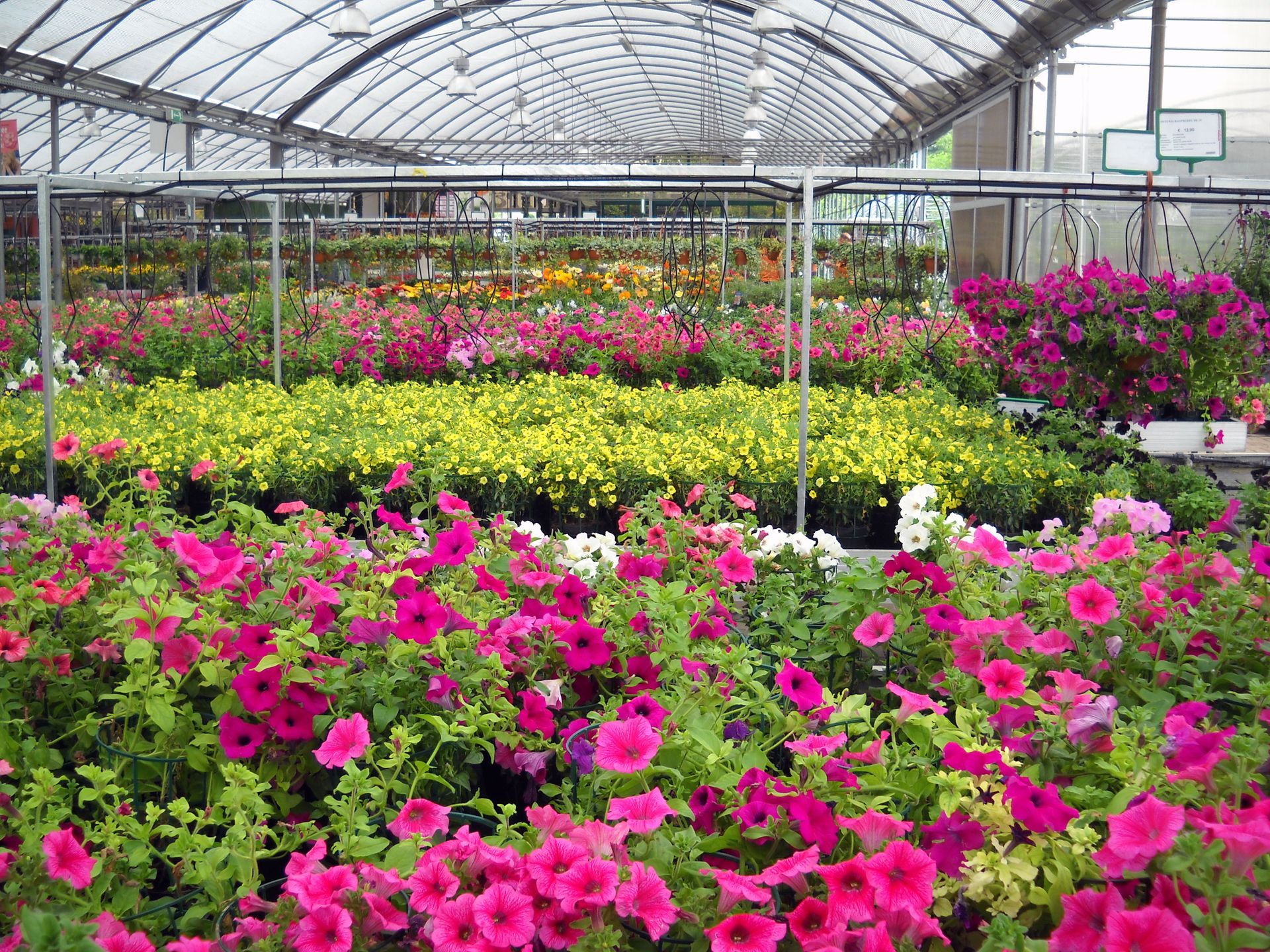
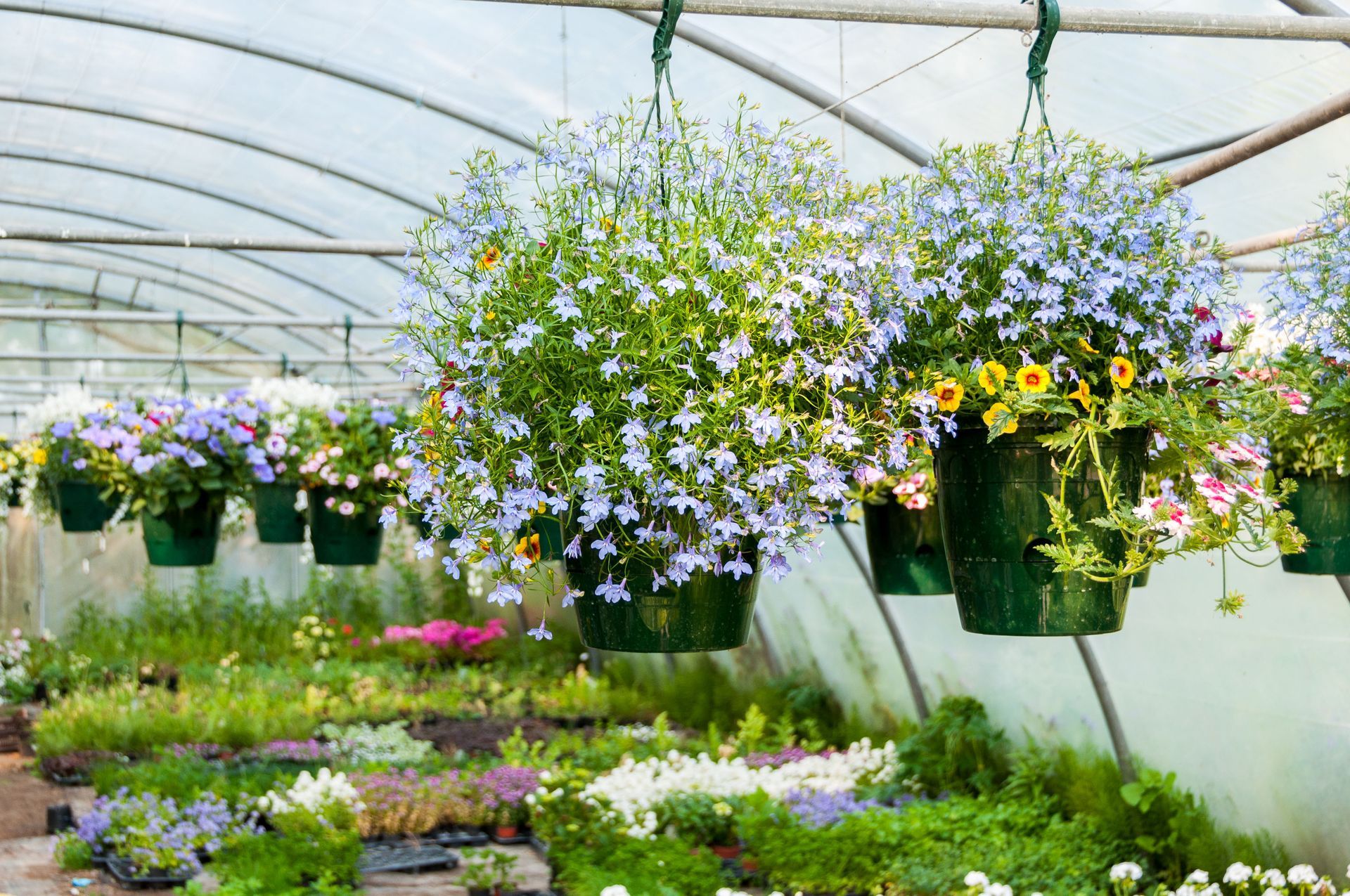
Environmental control is another aspect where local nurseries distinguish themselves in growing healthy plants. By leveraging controlled environments like greenhouses, nurseries can provide stable conditions that protect plants from extreme weather fluctuations. These settings help minimize plant stress and guard against pests and diseases. Through the careful management of humidity, temperature, and light, nurseries can optimize plant growth and health. The result is plants that are ready to thrive when they reach the customer's garden, demonstrating strong resilience and vitality.
e. Sustainable Practices
Local nurseries are increasingly adopting sustainable practices that benefit both plants and the environment. These include minimizing chemical use, composting, recycling materials, and conserving water. Sustainable methods ensure healthier plants by fostering natural ecosystems and enhancing soil fertility. The commitment to sustainability reflects a broader responsibility to environmental stewardship, setting an example for gardeners. Therefore, when purchasing from local nurseries, customers can be confident in the ethical practices supporting their plant growth efforts.
3. Expertise and Guidance
a. Access to Trained Horticulturists
Local nurseries are staffed with knowledgeable horticulturists who are experts in plant care and local growing conditions. These professionals are invaluable resources for new and experienced gardeners alike, offering insights specific to the area's flora. Their expertise extends to diagnosing plant issues and recommending suitable solutions, ensuring healthier, long-lived plants. Gardeners can also learn about the best planting techniques and maintenance practices tailored to their local environment. With direct access to horticultural expertise, customers receive invaluable support in their gardening endeavors.
b. Personalized Recommendations
Another strength of local nurseries is their ability to offer personalized plant recommendations based on individual needs and goals. Whether it's soil type, light conditions, or garden design preferences, nursery staff can tailor plant selections accordingly. This customized service ensures the optimal choice of plants, leading to greater gardening successes. Such tailored recommendations enhance plant survival rates and contribute to more aesthetically pleasing and functional gardens. Consequently, customers benefit from a more rewarding gardening experience, with healthy, thriving plants as the end result.
c. Plant Health Diagnoses
Local nurseries offer diagnostic services that are essential for maintaining plant health. Customers can consult nursery experts when plants display signs of distress, facilitating prompt and effective interventions. Early diagnosis can prevent minor issues from becoming severe problems, ensuring plant longevity. With professional advice, gardeners can implement targeted treatments that are environmentally friendly and sustainable. These diagnostic services underscore the nurseries' commitment to supporting gardeners in cultivating beautiful, healthy landscapes.
d. Workshops and Seminars
A commitment to education is evident through the workshops and seminars hosted by local nurseries. These educational sessions cover a wide range of topics, from basic gardening skills to advanced horticultural techniques. Attendees gain new skills and insights that aid in improving their gardening practices and plant care. Such events foster a sense of community among local gardeners, who can share experiences and learn from one another. Ultimately, these educational opportunities contribute to more informed and successful gardening.
As you can see, local nurseries offer the healthiest plants due to their knowledge of the local climate, superior growing conditions, and expertise. If you're looking for a local nursery, contact Orchard's Nursery today.