June 12, 2026
Choosing the right tree nursery is a crucial step in designing and maintaining a beautiful, thriving yard. This process provides insight into the factors to consider when selecting new plants, ensuring you make informed decisions that suit your landscaping goals. Not only does a well-chosen supplier contribute to the aesthetic appeal of your yard, but it also helps in sustaining the health and longevity of your greenery. By understanding the crucial aspects of your yard and matching them with the right establishment, you can enhance the functionality and beauty of your outdoor space. According to HomeGuide, strategic tree placement can elevate your property valuation by up to 20%.
Assessing Environmental Factors for Plant Selection
The first step in planning is to understand your yard's climatic conditions. You should be aware of the hardiness zone of your area, which is a classification based on average annual minimum winter temperatures. This understanding helps you choose specimens that can survive and thrive in your local climate. Some varieties are more resistant to harsh winters while others flourish in hot, dry conditions. Consulting with your chosen professionals about which items are best suited to your region can prevent future issues related to poor survival rates.
Your yard's soil composition is another essential factor in selecting the right vegetation. Assessing the pH level, nutrient availability, and texture informs what plant species will flourish. Proper drainage is equally vital, as excess water can lead to root rot, diminishing your plant's health. Soil amendments may be proposed by a knowledgeable team, facilitating the growth of a broader plant selection. Opt for an establishment that offers soil testing services or professional advice on improving soil conditions to accommodate your selected items.
Observing how sunlight moves across your property throughout the day will guide your strategic layout. Some species require full sun exposure, while others thrive in partial shade. The local professionals should guide you in selecting options that are compatible with the light conditions of your yard. Creating a balance of sun-loving and shade-tolerant choices enhances your landscape's diversity and beauty. To capitalize on sunlight and provide strategic shading, consider the mature size and canopy effect of the species you plan to plant.
Evaluating Space Availability and Long Term Growth
Consideration of available space and the growth potential of your selections cannot be overlooked. Vegetation varies in height and spread; thus, evaluating your yard's size ensures the selected items do not obstruct structures or utilities as they mature. Information on how tall or wide a specimen will grow is crucial for optimal placement. A professional team should be able to provide this information, allowing you to strategically plan your landscaping. Proper spacing contributes to the health of each plant by reducing competition for nutrients and preventing overcrowding.
Your goals for planting should align with aesthetic and functional objectives. Greenery can provide shade, enhance privacy, act as windbreaks, or serve primarily decorative purposes. Moreover, the choice between evergreens and deciduous selections contributes to the visual appeal throughout different seasons. Discussing your preferences with local providers enables them to recommend options that will not only meet your needs but also add harmony and beauty to your landscape. Ultimately, a well-thought-out layout can transform your yard into a lively, inviting space, adding great value to your property.
Comparing Local Establishments with Online Suppliers
When considering where to purchase your landscaping elements, you have the option of visiting physical locations or browsing digital catalogs. Going to a local tree nursery provides the advantage of seeing and selecting your items in person, ensuring physical quality and structural health. These regional locations also have staff knowledgeable about local growing conditions, which can be invaluable for your specific environmental needs. Conversely, online platforms offer a vast selection and the convenience of shopping from home, though the inability to inspect the physical condition before purchase remains a notable drawback.
Reviewing Community Standing and Customer Feedback
The history and community standing of a tree nursery is a critical factor to consider during your selection process. Research customer reviews and ratings online to gauge satisfaction levels regarding plant quality, service, and reliability. Sometimes, word-of-mouth recommendations from other gardening enthusiasts can provide honest insights into a provider's performance. A well-regarded tree nursery is more likely to provide robust and healthy stock, which is essential for successful planting outcomes. Additionally, don't hesitate to ask for references if you are investing in large or costly specimens for your landscape.
Checking Available Species and Specialized Varieties
A diverse range of species offered by a tree nursery indicates its capacity to cater to varied customer needs and project specifications. You might find unique or specialized varieties that align with your aesthetic goals and functional requirements. Facilities with extensive selections can offer advice on companion planting, which enhances ecological balance within your yard. Furthermore, a wide variety increases your choices, enabling customization of your landscape to reflect personal style and local biodiversity. A specialized tree nursery might provide species that are particularly suited to local environments, contributing to a resilient landscape.
Verifying Business Credentials and Industry Knowledge
The credentials of a business in the form of certifications and staff background reflect its commitment to quality and professionalism. Look for operations that employ certified arborists or horticulturists who can offer specialized advice tailored to your yard's needs. Certifications may include organic growing methods or participation in sustainability programs, which are becoming increasingly important to environmentally-conscious consumers. This background can help in addressing potential challenges such as pests or diseases. Choosing a tree nursery with recognized qualifications ensures that you receive not only quality plants but also reliable guidance.
Analyzing Material Quality and Plant Wellness
Knowing what to look for in a healthy specimen is crucial during your site visits. Check for signs of vibrant foliage, well-developed roots, and firm, pest-free bark. Avoid options with wilting leaves, unusual spots, or signs of distress like sap leakage. A healthy plant establishes quickly and has a better chance of surviving harsh conditions. Proper selection reflects on the longevity and success of your landscape design, making this an important focus when evaluating local inventory.
Healthy plants are free from visible pests, diseases, and fungi that could transfer to your existing garden. Inspect potential purchases carefully, looking for insect infestations, mold, and other disease indicators. Choosing clean specimens helps maintain the overall health of your yard and prevents costly future interventions. Reliable operations implement rigorous health checks and are transparent about their integrated pest management strategies. These proactive measures ensure you have high-quality plants to promote an outstanding landscape from the outset.
Investigating Daily Care and Growth Conditions
The standard of care provided by the facility significantly influences a plant's transition to your yard. Inquire about watering practices, pruning techniques, and fertilizer employment. Knowledgeable staff should address any specific care needs or recommendations for acclimatizing plants to your yard. Adequate care before purchase gives your greenery a robust start and minimizes transplant shock. Ensure the operational practices align with sustainable and environmentally sound methods to support broader ecological goals.
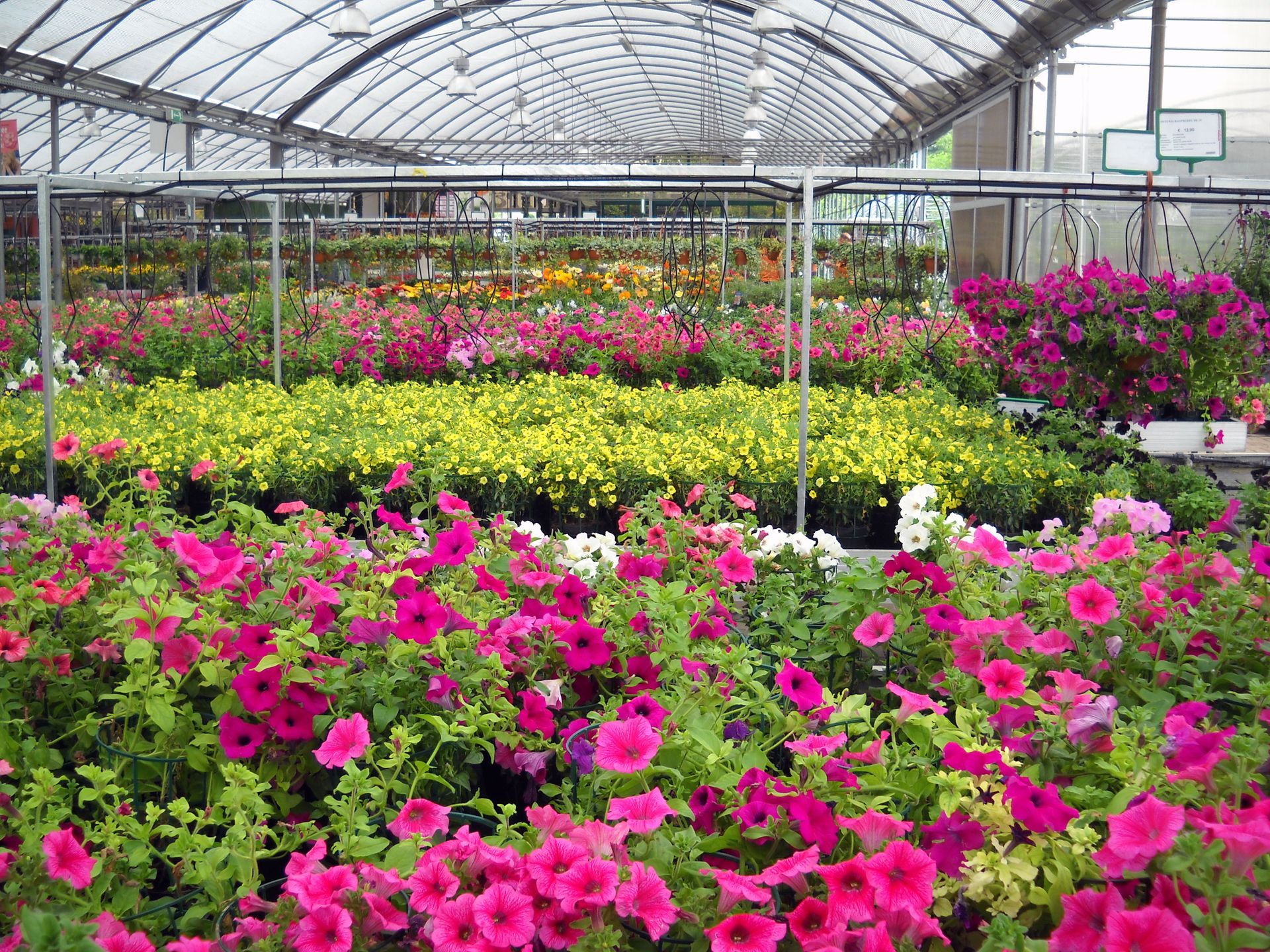
Examining the growth conditions within the facility can provide insight into plant resilience and adaptability. Optimal growth environments typically mimic outdoor conditions, reducing stress when plants are introduced to their permanent location. Greenhouses provide controlled conditions for delicate species if the climate is harsh or irregular. Facilities maintaining native plants often contribute to higher success rates by cultivating species naturally adapted to local conditions. Inquire about seasonal variations and other measures employed to force strong, healthy growth.
Ultimately, choosing the best partner for your yard involves a thorough consideration of your individual needs, regional offerings, and the quality of material available. By carefully evaluating these aspects, you will set a strong foundation for a flourishing outdoor space that you can enjoy for years to come. Proper selection not only enhances your garden's aesthetic appeal but also supports long-term growth potential and sustainability. Remember that investment in quality plants can increase your property's value significantly, further underlining the importance of selecting an appropriate local partner. This methodical approach ensures that your landscape thrives, providing visual pleasure and functional benefits, and you can find the perfect support for this journey at Orchard's Nursery.